
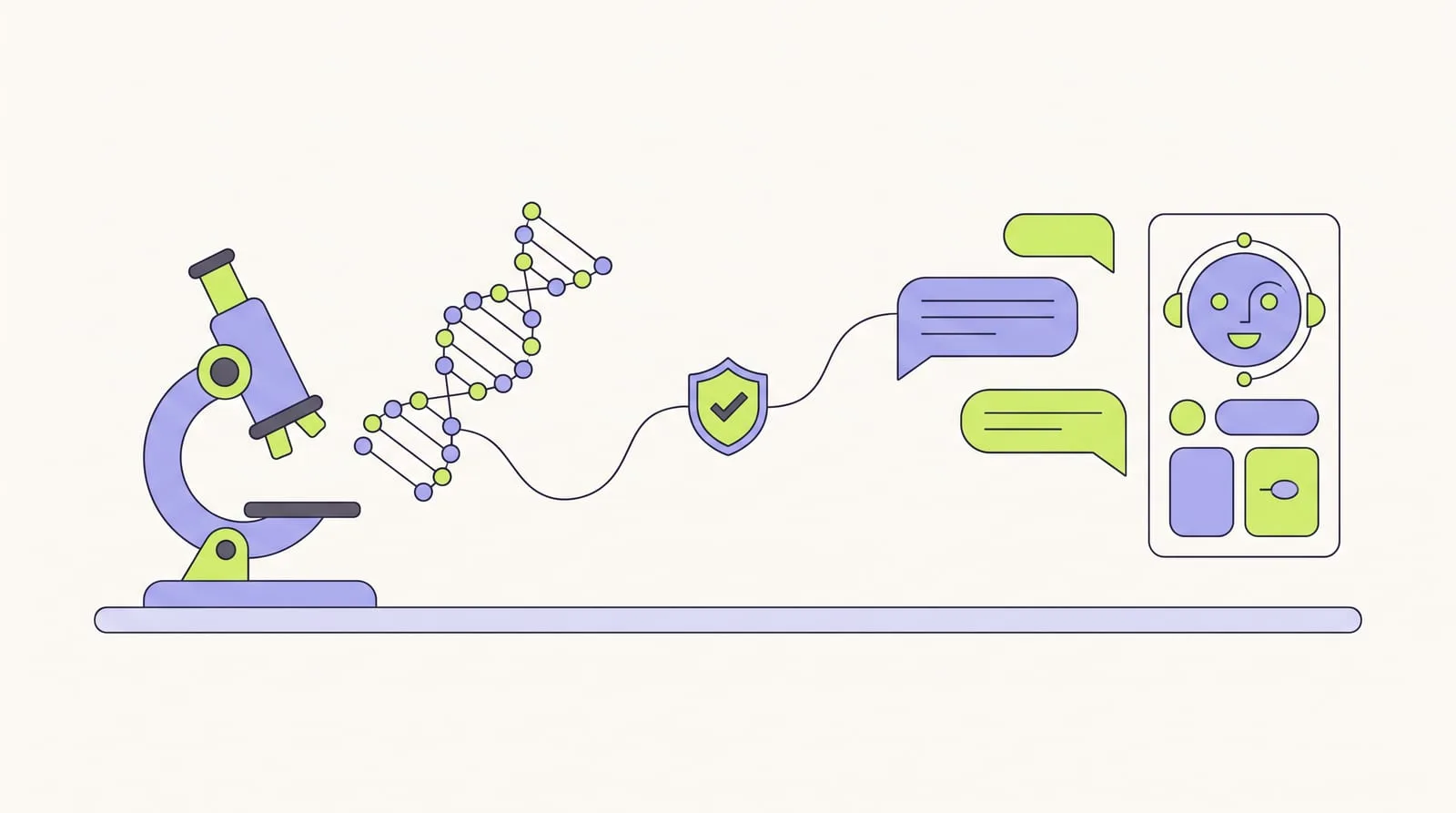
You are looking for an agency that truly understands what you make. Not a generalist agency that will turn your clinical pipeline into hollow slogans, but a team able to explain without betraying, optimize your visibility on generative engines and hold the regulatory line against the AI Act, the ANSM and the CNIL. This is precisely DigiObs's ground.
Contents
Explaining your science without distorting it
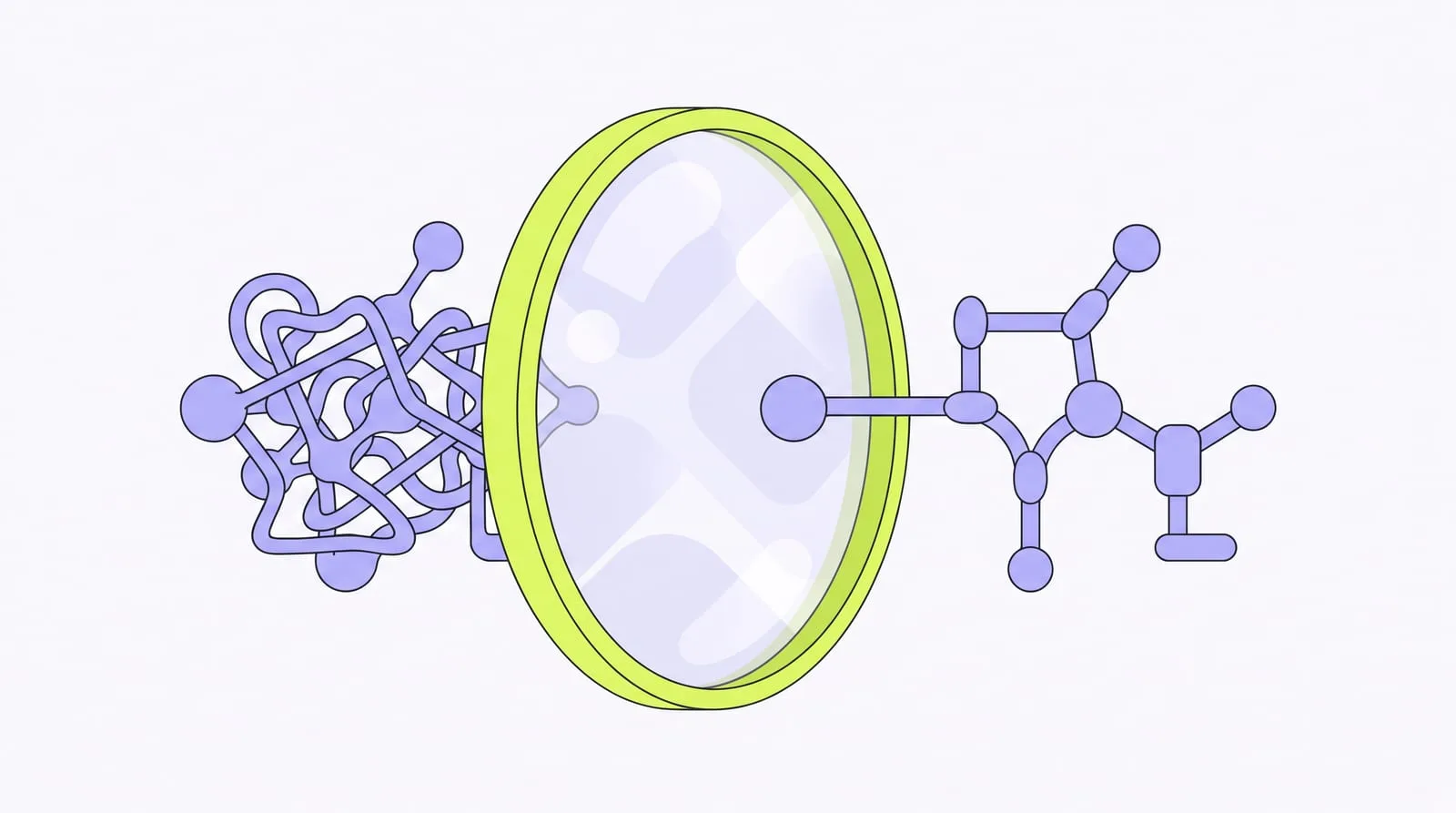
At most agencies, simplifying science means erasing nuance until the message is smooth and false. We do the opposite. Our job is to make a mechanism of action, a trial result or a preclinical data point understandable to an investor, a journalist or a prospect, while preserving the uncertainties that give science its credibility.
In practice, this means we publish nothing that a member of your scientific team would not validate. We cite sources, we distinguish what is demonstrated from what is promising, and we own the grey areas rather than erasing them. Technical audiences immediately spot content that is too polished. They trust what shows its reasoning. This rigor is what turns marketing content into a credibility argument with your stakeholders.
Being found on ChatGPT, Claude and Perplexity, not just on Google
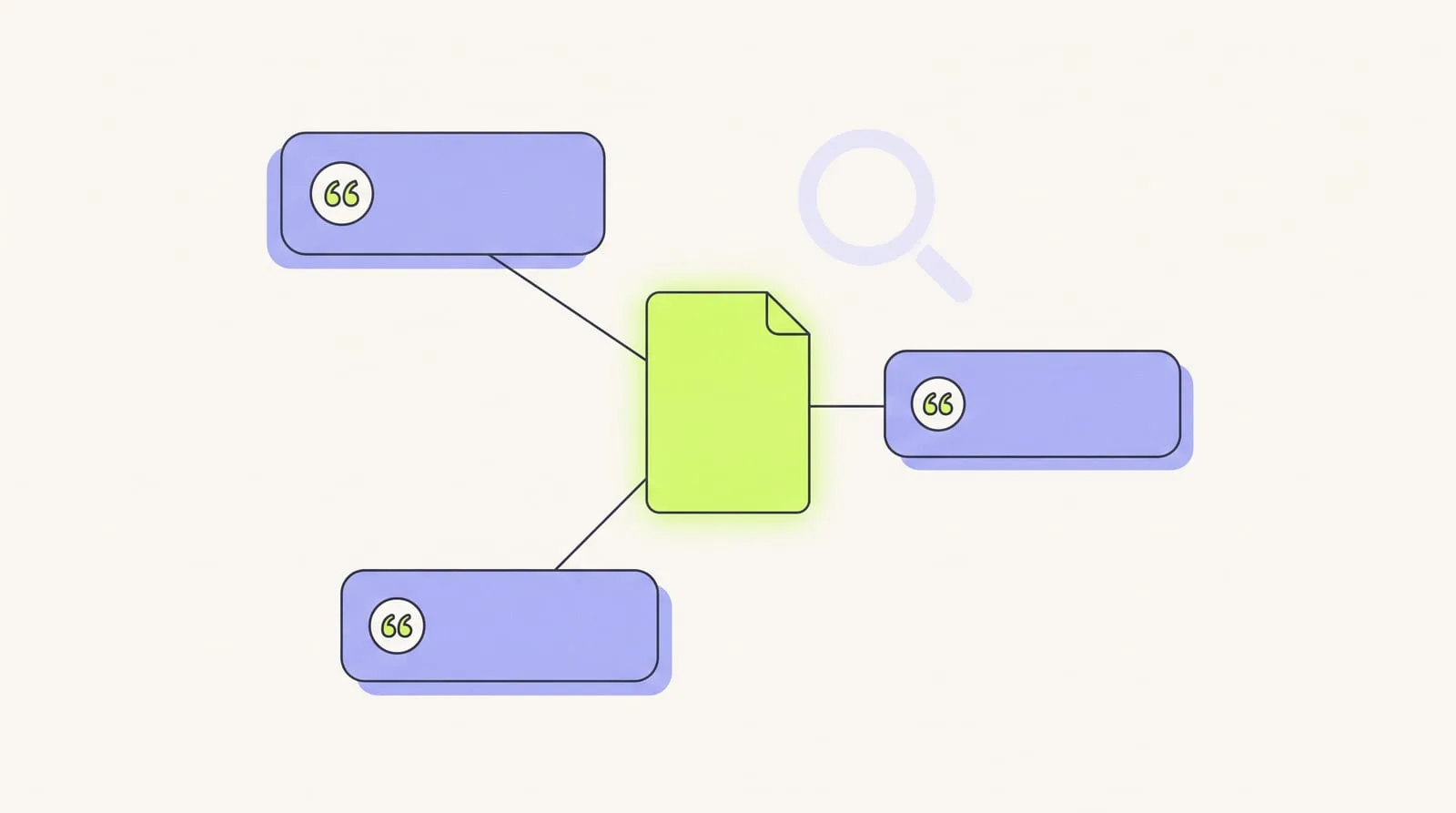
Your future customers and investors no longer only type into a search bar. They ask questions to generative assistants, and these assistants recommend, or not, the companies they cite. GEO, Generative Engine Optimization, consists of structuring your content so that it is understood, cited and recommended by these engines.
We do not guess what works. We rely on concrete integrations (Semrush, the APIs of the main models) to measure your presence in generated answers, identify the questions on which your sector is decided, and produce content built to answer them. For a biotech or a deeptech, this visibility often arrives before Google's, on precise queries where your competitors are still absent. The first to occupy the conversational ground takes a lead that is hard to catch up.
Staying compliant as regulation tightens
For several quarters, healthcare marketing campaigns have been suspended for CNIL non-compliance on tracking and personalization. The AI Act now requires traceability and explainability for AI-generated content. Most agencies ignore these constraints or discover them after the fact.
We build them in from the design stage. Every piece of content produced with AI assistance keeps a usable audit trail, and our consent and tracking processes are designed for the healthcare framework, which is stricter than common law. For a compliance officer or a director of regulatory affairs, this changes the game: marketing stops being a risk to monitor and becomes a documented asset. You can communicate fast without exposing the company.
Three proofs rather than promises
Every engagement follows a written protocol: scientific framing with your team, source validation, production, compliance review, measurement. Nothing is left to improvisation, and at every step you know what has been validated and why.
Our writers and strategists include PhDs in life sciences and physics. When we discuss your technology, the person in front of you understands the substance. This is not a sales pitch, it is the condition for explaining science without error.
Improved average position on industry queries, appearances in generative engine answers, content picked up by the trade press. Our case studies detail the figures, the starting point and the path travelled.
They trust us
“DigiObs is the first agency I didn’t have to re-explain our mechanism of action to. The content was right from the first version.” (Founder, biotech startup raising funds)
“The compliance part saved us a considerable amount of time. Our regulatory affairs team validated the content without back-and-forth.” (Head of Scientific Communication, medtech)
- An AI-native scientific marketing agency, a team that brings science, GEO and compliance under one roof, and a methodology documented at every step.
Going further
Let's discuss your project
The fastest way to judge our work is to look at what we have produced for companies like yours. Then let's talk about yours.